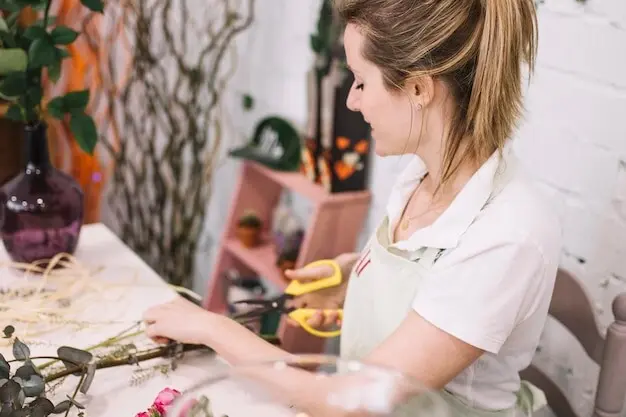
Make, Learn, and Wander in the High Alpine Arts
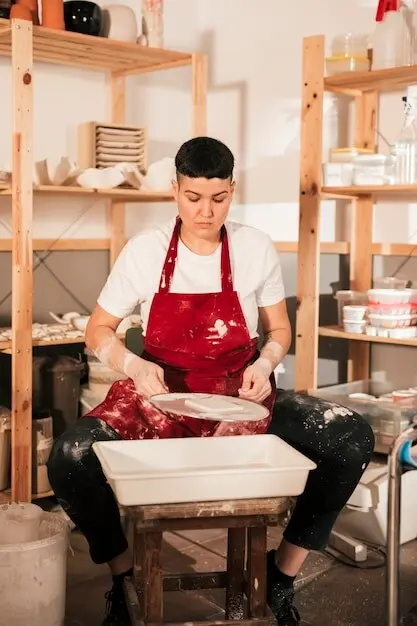
Discover hands-on artisan workshops and studio tours across the Julian Alps, meeting makers who carve, forge, weave, glaze, and sweeten the day with centuries-old skills. From the emerald Soča Valley to Bled and Bohinj, we explore how creativity shapes mountain life, what you can learn at the workbench, and where respectful visitors fit in. Expect flour-dusted tables, ringing anvils, fragrant beeswax, and clay-splashed aprons, plus practical guidance for planning, connecting, and bringing meaningful, locally made memories home.

A Creative Journey Through Alpine Valleys

Between limestone peaks and fast rivers, workshops glow with warm lamplight and the rhythm of practiced hands. This journey strings together studio doors you can knock on, skills you can try, and mountain villages where craftsmanship still anchors daily life. We look for experiences that empower you to learn, help artisans thrive, and keep traditions breathing. You will find comfort in shared stories, purpose in practical tasks, and a route that trades souvenirs for skills, conversations, and quietly unforgettable moments.

Where Craft Flourishes: From Soča to Bled

Trace a path through the Soča Valley, across Bovec and Kobarid, to the lakeside bustle of Bled and the tranquil meadows around Bohinj. In these places, wood shavings curl beside open doors, anvils echo in shaded courtyards, and honey-scented shelves display gingerbread hearts. Studios are compact, personal, and steeped in family memory. Arrive curious, listen closely, and let each space reveal not only techniques, but also the landscapes, seasons, and shared meals that give their craft unmistakable Alpine character.

Meeting Makers With Respect

Artisans balance teaching with production, deadlines with hospitality. A little etiquette goes far: arrive on time, ask before photographing, and handle tools as instructed. Translate a few local phrases, remove backpacks in tight corners, and keep phone notifications silent. If you break something, speak up kindly. When tasting, accept modestly and finish thoughtfully. Remember that behind every demonstration are months of orders, family obligations, and weather-driven schedules. Gratitude, patience, and fair payment are the most essential tools you can bring.

Traditions Shaped by Mountains and Rivers

From Sheep to Shawl: Alpine Wool and Natural Dyes

High pastures nurture sturdy sheep whose fleeces become carded batts, spun yarns, and felted treasures. Workshops teach washing, carding, and simple spindle spinning, while dye pots simmer with marigold, onion skins, walnut hulls, and lichens gathered responsibly. Students learn to read water temperature, mordant proportions, and the quiet patience of slow color. The result is more than a scarf or pouch; it is a map of altitude, herbs, and seasons, worn around your shoulders long after the journey home.

Sparks, Steel, and Cowbells

In villages with blacksmithing heritage, the heartbeat of iron echoes through courtyards. Under a watchful eye, you can swing a hammer, learn about tempering, and understand why bell tones matter to herds on distant slopes. Safety glasses mist slightly as you watch metal glow, revealing the physics of color and time. The bell’s ring tells stories of transhumance, storms, and returning animals. Leaving with a hand-forged hook or small tool, you carry something weighted with usefulness and mountain resilience.

Honey, Wooden Molds, and Gingerbread Hearts

Beekeeping here celebrates the Carniolan honey bee, prized for calm temperament and efficient foraging. Some studios share honey tasting, beeswax candle rolling, and the art of decorating spiced gingerbread pressed in carved wooden molds. Piping sugar becomes handwriting, hearts become messages, and you practice steady breathing to keep lines graceful. Alongside sweetness comes deeper knowledge: hive cycles, respectful distances, and meadow diversity. Your decorated biscuit cools slowly, holding warmth from ovens, stories from grandmothers, and the golden patience bees teach daily.

Roll Up Your Sleeves: What You’ll Make

Workshops are designed for beginners but honor professional standards. You will measure, mark, hold, and repeat until movements feel fluent, learning not only the how, but the why. Processes are broken into digestible steps, with pauses for questions and demonstrations. Time passes differently when your hands stay busy, clay centers, fibers align, and wood grains reveal paths to follow. You will leave with something useful, beautifully imperfect, and unmistakably yours, carrying newfound confidence that extends naturally into other corners of life.

Carve, Sand, and Oil a Wooden Spoon

Starting from a greenwood blank, you trace a simple profile, then learn safe knife grips for shaping bowl and handle. Each cut reveals smoother curves; each pause teaches where fibers want to split. You transition to a curved gouge, refine rims, and switch to sandpaper only when necessary. Finally, warmed oil lifts the grain and scent of the forest. By tasting soup later with that spoon, you will hear the echo of birds, tools, and friendly laughter across the bench.

Throw a Clay Cup You’ll Actually Use

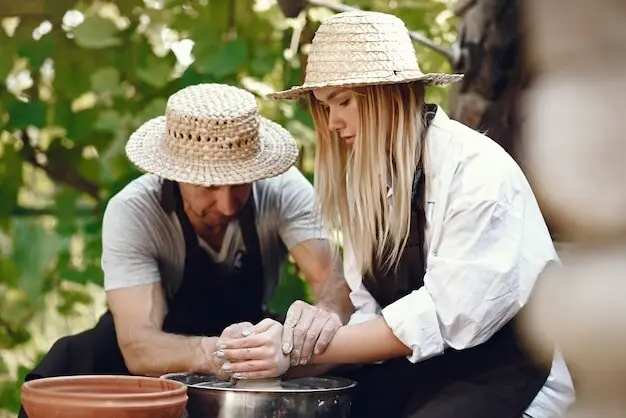
Centering begins with wet palms, anchored elbows, and the calm pressure of breath. You learn coning, opening, pulling, and compressing the rim, guided through wobbles with humor and helpful nudges. Trimming introduces balance, foot rings, and that delicate line between too wet and too dry. Glazing choices invite restraint: one base, one accent, and mindful dipping depth. Firing transforms soft beginners’ shapes into morning companions. Tomorrow’s coffee tastes different when held by something you coaxed into symmetry and strength.

Print a Postcard on a Vintage Press

In a quiet room that smells of ink and oiled steel, you choose type, lock a chase, and feel the satisfying thunk of the platen closing. Alignment demands patience, consistent packing, and test pulls checked under raking light. You wipe ink from fingertips, adjust impression depth, and breathe as letters bite gently into cotton paper. The finished postcard records more than words; it preserves the small choreography of hands, rollers, and gears, capturing mountain air in debossed shadows and crisp serifs.

Studios Worth the Detour

The magic often hides beyond main squares: a barn-turned-forge on a side lane, a lakeside boathouse where oars are shaped, or a kitchen bakery where spice whispers through wooden molds. In Bohinj’s meadows, dairies host tastings and curd workshops; near Radovljica, ironwork histories ring through museum courtyards; in the Soča Valley, felters and potters welcome muddy hands. None are spectacles; all are human-scale spaces where time slows, questions are welcome, and your curiosity pays back in patient mentorship.

Seasonal Windows and Weather Smarts

Mountains write the calendar. Spring workshops may coincide with lambing, orchard bloom, and rain that sharpens dye colors. Summer brings longer hours, higher trails, and busier schedules that reward early bookings. Autumn layers woodsmoke with harvest flavors; winter invites slower processes indoors, perfect for printmaking and carving. Always carry a light jacket, respect changing forecasts, and build backup plans for transport. Weather challenges often reveal unexpected hospitality: extra tea, bonus techniques, or a fireside conversation that deepens everything you learned.

Spring Melt and Wildflower Tones

With rivers rushing clear and meadows bursting, you will notice dyers and painters leaning into yellows, greens, and tender blues. Workshops may pause for quick foraging walks, always with permission and restraint. Aprons carry pollen dust and grass whispers. Rain days become gift days: time to refine edges, practice knife safety, or repeat centering drills. If mountain passes still hold snow, valley studios feel especially snug. Spring teaches readiness, flexibility, and the bright optimism that coloring new fibers naturally encourages.

Summer Crowds, Cool Cellars, Early Starts

High summer asks for dawn departures and advance reservations, lest queues steal making time. Many studios shift to shaded courtyards or cool cellars, inviting clay throwing, candle rolling, or drawing sessions during the hottest hours. Pack sun protection, refill water often, and honor siesta rhythms when doors briefly close. Evenings glow with open-air markets and informal demonstrations where you can ask follow-up questions. If storms build, artisans pivot indoors, proving again that skilled hands always find good work, whatever the weather.
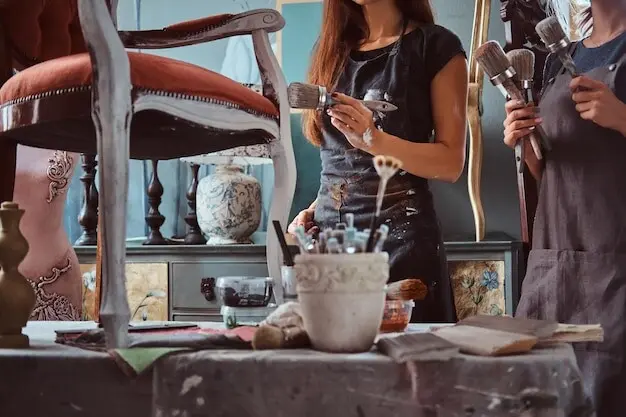
Photographing Process Without Distraction

Good documentation honors both craft and concentration. Ask before shooting, avoid blocking light, and silence shutters during demonstrations that require steady breathing or precise timing. Focus on hands, tools, textures, and sequences rather than faces by default, unless invited. Share finalized images with makers, including correct names and locations, and be open to their preferred captions or credits. Your album should help, not harm, by encouraging others to visit respectfully, study carefully, and recognize the extraordinary time woven into humble objects.

Light and Permission First

Natural light flatters wood grain, wool texture, and cooling ceramics, but it changes fast in mountain valleys. Check windows, switch sides, and ask to move softly rather than repositioning tools. A quick permission ritual—introduce yourself, explain purpose, promise copies—builds trust. If you must use flash, confirm it will not interfere with concentration. Show a sample shot before continuing, and accept feedback with grace. Respectful method yields better frames, safer spaces, and relationships that outlast the short thrill of posting.

Textures Tell the Story

Zoom in on knife facets, dye-pot bubbles, leather burnish, and the chalky drag of bone-dry clay. Sequence your images so viewers can follow steps, learning timing and touch by eye. Keep horizons level, hands clean, and backgrounds simple. Capture breath pauses, not just action. Write captions that name materials, measurements, and maker insights. Think like a student creating a reference manual you will reuse later when attempting a second spoon, another cup, or a braver colorway in your own kitchen.
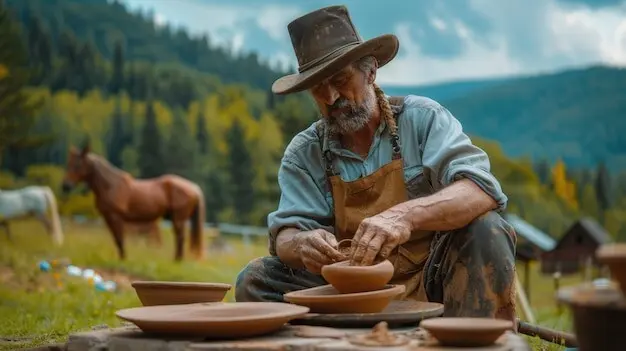
Sustainable Choices and Local Impact

Travel that lifts artisans should also safeguard valleys. Choose small groups, walk or cycle between close studios when possible, and anchor each day with a locally owned meal. Buy directly, pay fairly, and prefer durable items that tell a story each time you use them. Ask about material sources and waste streams; makers will gladly explain. Carry reusables, refill at fountains, and sort recycling meticulously. When you leave, friendships remain, and so does the subtle change in how you value well-made things.

Join the Conversation and Plan Your Route
Your curiosity builds this guide as much as mountain paths and maker stories do. Share what you hope to learn, which tools intrigue you, and where you found the kindest instruction. We will collect reader routes, publish updated calendars, and answer practical questions about seasonality, group sizes, and accessibility. Comment with your best transport tip, subscribe for fresh itineraries, and tell us when you return so we can celebrate your finished spoon, mug, print, or gently glowing beeswax candle.
Tavonovipirasentomexolento
Privacy Overview

This website uses cookies so that we can provide you with the best user experience possible. Cookie information is stored in your browser and performs functions such as recognising you when you return to our website and helping our team to understand which sections of the website you find most interesting and useful.